The 4 Best Materials for Business Door Signs
Find out which materials work best for business door signs. Compare wood, acrylic, metal, and digital options to match your brand and space.

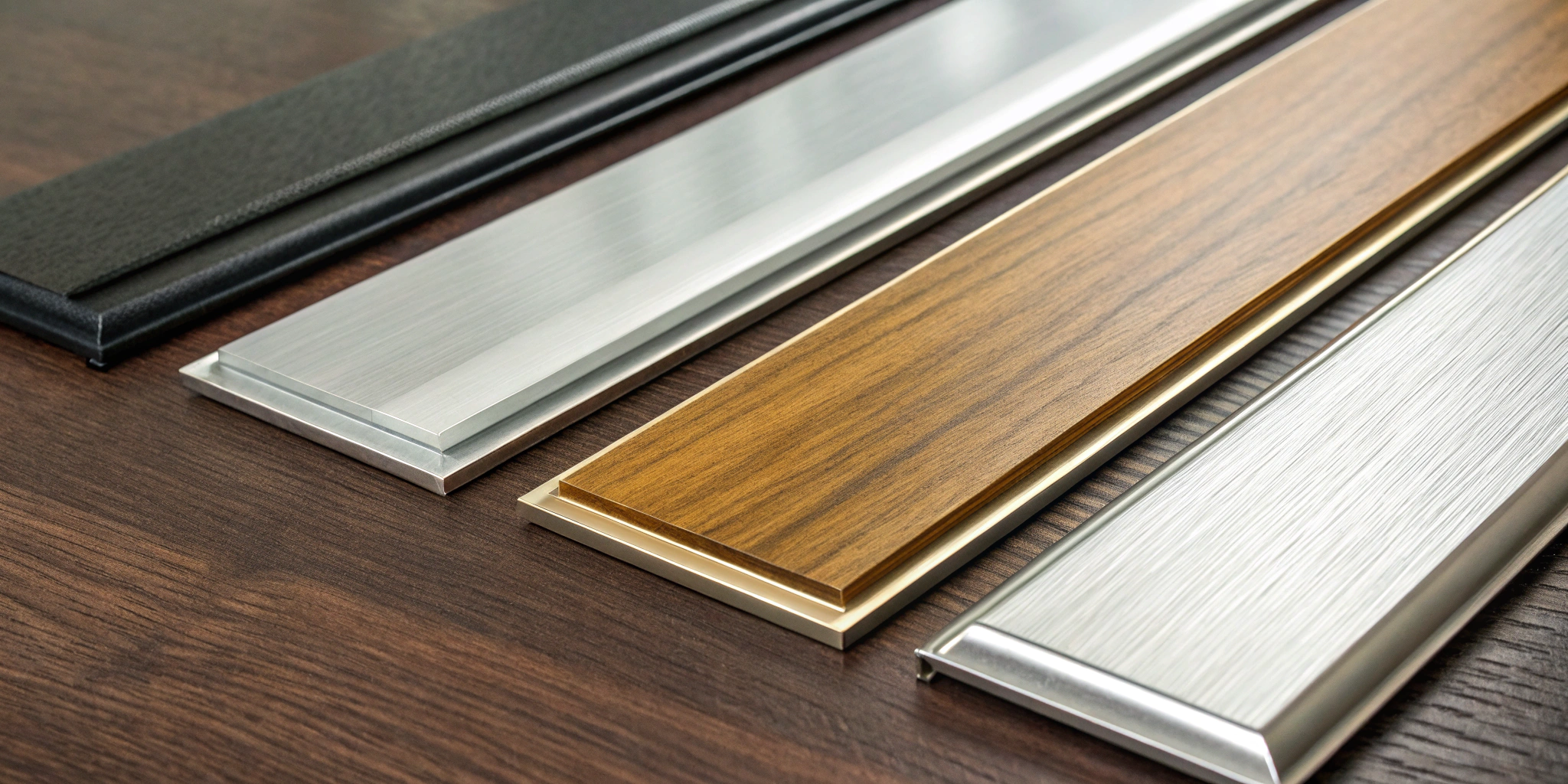
What does your business feel like? Is it warm and traditional, sleek and modern, or strong and authoritative? The material you choose for your door signs can communicate that feeling instantly, long before a conversation ever begins. A classic wood sign tells a different story than brushed aluminum or polished acrylic. Each material has its own personality and makes its own unique statement about your brand’s values. This guide explores the most popular and effective materials, breaking down their aesthetic appeal, durability, and best uses. We’ll help you find the option that not only fits your space but also perfectly tells your brand’s story.
Key Takeaways
- Start with Strategy, Not Just Style: Before you pick a font, decide what your sign needs to accomplish. A clear purpose—whether it’s identifying a room or representing your brand—ensures your final design is effective, professional, and perfectly aligned with your goals.
- Choose Materials for Longevity, Not Just Looks: The best value comes from a sign that can withstand its environment. Prioritize durable, low-maintenance materials suited for your location to ensure your investment looks great for years without constant upkeep.
- Partner with an Expert to Handle the Details: Don’t let compliance and installation become an afterthought. Working with a professional sign company ensures your project meets all local codes and ADA requirements, preventing potential fines and guaranteeing a secure, polished finish.
What Are the Best Door Sign Materials for Your Business?
Choosing the right material for your door sign is about more than just looks—it’s about communicating your brand’s identity before a visitor even steps inside. The material you select sets the tone, reflects your company’s values, and needs to stand up to its environment. Whether you’re aiming for a warm, traditional feel or a sleek, modern statement, the right material makes all the difference. Let’s walk through the four most popular and effective options to help you find the perfect fit for your business.
Classic Wood Signs
Wood signs bring a natural warmth and timeless appeal that’s hard to replicate. If your business wants to feel established, welcoming, or rustic, wood is an excellent choice. Think of cozy cafes, boutique shops, or professional firms like law offices that want to convey a sense of tradition and stability. Wood can be carved, engraved, painted, and stained to perfectly match your branding. It offers a classic, high-end look that feels both authentic and personal, making a great first impression that is both grounded and inviting.
Modern Acrylic Signs
For a clean, sophisticated, and professional look, acrylic is a fantastic option. Acrylic signs have the polished appearance of glass but are much more durable and lightweight. This versatility makes them a favorite for modern corporate offices, tech companies, and healthcare clinics. You can customize them in countless ways—from clear or frosted finishes to vibrant background colors and 3D lettering. An acrylic sign signals that your business is sharp, contemporary, and pays attention to detail, offering a sleek welcome to clients and employees alike.
Durable Metal Signs
When you need a sign that communicates strength, permanence, and prestige, metal is the way to go. Materials like aluminum, brass, and stainless steel are incredibly durable and can withstand harsh weather, making them ideal for exterior business signs. Metal can be finished in various ways—brushed for a subtle texture, polished for a mirror-like shine, or oxidized for a rustic patina. This material is a popular choice for financial institutions, government buildings, and upscale commercial properties that want to project an image of authority and long-lasting quality.
Dynamic Digital and LED Signs
If your messaging changes frequently, a digital or LED sign offers unmatched flexibility. These signs allow you to display dynamic content and grab attention in a way static signs can’t. You can easily update them to show business hours, daily specials, welcome messages, or important announcements. This makes them perfect for retail stores, restaurants, healthcare facilities, and event venues that need to communicate timely information to visitors. A digital sign on your door shows that your business is modern, responsive, and ready to engage with your audience.
How to Choose the Right Door Sign
Picking the right door sign feels like a small detail, but it’s one of the first things people notice about your space. It’s more than just a label; it’s a handshake, a first impression, and a guide. A great door sign sets the tone for what’s inside, whether it’s a bustling corporate office, a quiet medical clinic, or a university lecture hall. The wrong sign—or worse, a flimsy paper printout—can send a message of carelessness before a visitor even steps through the door.
Making the right choice involves balancing function, style, and legal requirements. You need a sign that not only looks good but also does its job effectively. That means thinking through who will see it, what you need it to say, and how it fits into your environment. To get it right, focus on four key areas: its purpose, its visibility, its accessibility for everyone, and how well it reflects your brand. By considering these elements, you can select business signs that are professional, compliant, and perfectly suited to your organization’s needs.
Define Your Sign’s Purpose
Before you get lost in fonts and colors, ask yourself a simple question: What does this sign need to do? Its primary job will guide every other decision. Is it meant to identify a room, like “Conference Room A” or “Dr. Smith”? Is it for wayfinding, helping people find the restrooms or the right department in a large facility? Or is its main purpose to represent your brand at the front entrance? Well-designed signs are essential for all kinds of places, from restaurants and hotels to healthcare offices. A clear purpose ensures your message is instantly understood, preventing confusion and creating a smoother experience for everyone who walks through your doors.
Factor in Size and Visibility
A beautiful sign is useless if no one can read it. When planning your door sign, think about the distance from which people will be viewing it. A sign on an office door can be smaller and more detailed than one at the end of a long hallway, which needs to be legible from far away. As a general rule, four-inch text is readable up to 100 feet away. You also need to consider lighting, glare, and color contrast. A sign with light-colored text on a light background will be difficult to see, especially for those with visual impairments. Stand back and look at the space from a visitor’s perspective to get the size and placement just right.
Meet ADA and Accessibility Rules
For many organizations, especially public facilities, schools, and healthcare centers, accessibility isn’t just a good idea—it’s the law. The Americans with Disabilities Act (ADA) has specific guidelines for signage to ensure everyone can access your space. This often includes requirements for non-glare finishes, high-contrast colors, tactile lettering, and Braille. Including Braille on your signs helps your business follow ADA rules, making your facility welcoming and accessible for everyone. Working with a professional sign company ensures your signs are fully compliant, protecting you from potential fines and demonstrating your commitment to inclusivity.
Align the Design with Your Brand
Your door signs are a direct reflection of your brand. Faded, taped-on paper signs suggest a lack of permanence and care. On the other hand, crisp, professional door signs made of acrylic, metal, or wood instill confidence and reinforce your brand identity. The materials, colors, and typography you choose should align with your organization’s overall aesthetic. A modern tech company might opt for sleek, minimalist acrylic, while a historic government building may require classic, engraved metal. Creating custom signs ensures every detail, from the finish to the font, perfectly matches the professional image you want to project.
What Should You Expect to Pay for a Door Sign?
Figuring out a budget for your business signs can feel tricky, but door sign pricing generally falls into a few clear tiers. The right choice for you depends on your brand, your goals, and how much you want to invest in making a great first impression. Let’s break down the numbers so you know exactly what to expect.
Entry-Level Options (Under $50)
If you’re just starting out or need a simple, functional sign without a lot of flair, you can easily find options under $50. Basic door signs, like simple plastic nameplates or individual vinyl letters, can start as low as $15. These are great for interior doors, labeling utility closets, or fulfilling basic identification needs on a tight budget. While they won’t have the same impact as a custom piece, they get the job done and are a practical starting point for any new business.
Professional Signs ($50-$200)
This price range is the sweet spot for many businesses looking for a balance of quality and affordability. Here, you’ll find more durable and polished options like engraved acrylic signs, small metal plaques, and professional-looking slider signs for conference rooms. These signs offer a significant step up in appearance from the entry-level tier. They present a more established and credible image to clients and visitors, making them a smart investment for offices, clinics, and retail shops that want to look their best without committing to a high-end budget.
High-End Custom Signs ($200+)
For a sign that truly represents your brand’s quality and permanence, you’ll want to look at high-end custom options, which typically start around $200 and can go up from there. This category includes signs made from premium materials like steel and aluminum, which offer unmatched durability and a sophisticated look. Investing in custom signs allows you to incorporate your specific logo, colors, and fonts into a piece that is uniquely yours. This is the best choice for businesses that want their entrance to make a powerful statement and reflect the high standards of their work.
What Influences the Final Cost?
Several key factors determine the final price of your door sign. The material is the biggest driver—durable metals like steel cost more than acrylics because they are more difficult to fabricate and built to withstand the elements for years. The size and complexity of your design also play a major role; intricate logos or multi-layered signs require more labor and precision. Finally, consider whether your sign will need professional installation, which ensures it’s mounted securely and correctly, adding to the overall investment but guaranteeing a perfect finish.
Which Door Sign Material Offers the Best Value?
When we talk about “value,” it’s easy to just think about the price tag. But the best value comes from a sign that not only fits your budget but also looks great for years to come with minimal fuss. The true cost of a sign includes its initial price, how long it lasts, and how much effort it takes to maintain. Let’s break down how to find the perfect balance of durability, suitability, and long-term cost for your business door sign.
How Long Will Your Sign Last? A Durability Comparison
The lifespan of your door sign is directly tied to its material. While a classic wooden sign brings warmth and character, it can crack or fade over time without proper sealing and maintenance. On the other hand, a major benefit of acrylic signs is their long-lasting durability. As experts note, “Wood might crack, and metal might rust, but acrylic is tough, sturdy, and resistant to damage.”
Metal signs, especially aluminum, are also incredibly resilient and can last for decades. The key is choosing the right type of metal and finish to prevent issues like rust. When you invest in high-quality custom signs, you’re paying for materials engineered to withstand the test of time, ensuring your first impression remains a strong one.
Choosing a Material for Indoor vs. Outdoor Use
Where your sign will live is one of the biggest factors in choosing a material. An indoor office sign isn’t exposed to the elements, so you have more creative freedom with materials like finished wood or delicate acrylic lettering. But for an exterior door sign, durability is non-negotiable. It needs to stand up to sun, rain, and fluctuating temperatures without fading, warping, or deteriorating.
This is where metal really shines. “Metal signs can endure harsh weather and damage, providing a dependable signage solution for years.” They are an ideal choice for outdoor use because they are less likely to be affected by environmental factors. Choosing the right material for your business signs ensures your investment is protected, whether it’s welcoming clients into your lobby or guiding them to your front door.
Consider Maintenance and Long-Term Costs
The cheapest option upfront isn’t always the most cost-effective in the long run. Think about the time and money required for upkeep. A wooden sign might need to be re-stained or sealed every few years, while certain metals may require polishing to maintain their luster. These maintenance tasks add to the total cost of ownership over the sign’s life.
For many businesses, low-maintenance materials offer the best value. For instance, “acrylic signage is generally less expensive than metal signs, which often require more labor-intensive fabrication processes.” This often makes acrylic a more affordable option for businesses looking to minimize long-term costs, as it typically only needs a simple cleaning. Considering the full range of signage services, from fabrication to installation, helps you make a choice that benefits your bottom line for years.
What Common Design Mistakes Should You Avoid?
A great door sign feels like a natural extension of your brand, but a few common missteps can keep it from doing its job. Getting the design right means thinking about more than just your logo. It’s about creating a sign that’s clear, durable, and compliant. Let’s walk through the most frequent mistakes so you can steer clear of them and create a sign that works as hard as you do.
Avoiding Cluttered or Confusing Designs
When it comes to sign design, simplicity is your best friend. One of the biggest mistakes is trying to say too much. A door sign cluttered with too many words, complex graphics, or clashing colors can overwhelm visitors and make your message impossible to grasp at a glance. The goal is instant clarity. Focus on the absolute essentials: your business name, suite number, and maybe your logo. A clean, uncluttered design not only looks more professional but also ensures your sign is effective. When you’re ready to create a clear and impactful look, exploring custom signs with a professional designer can help you find that perfect balance.
Choosing the Wrong Material for the Environment
The material you choose has a huge impact on how long your sign will last and how good it will look over time. A common error is picking a material that isn’t suited for its environment, especially for outdoor signs. A sign exposed to direct sunlight, rain, and humidity needs to be made from durable, weather-resistant materials like aluminum or acrylic. Choosing an indoor-grade material for an exterior application can lead to fading, warping, or peeling, forcing you to replace it much sooner than expected. Thinking about the environment first ensures your investment in quality business signs pays off for years to come.
Forgetting About Local Signage Rules
This is a crucial step that’s often missed. Every municipality has its own set of regulations governing business signage, and they can be surprisingly specific about size, placement, and even lighting. Forgetting to check these local codes can result in fines or an order to remove your sign, which is a costly and frustrating setback. Whether your business is in Greenville, SC, or Charlotte, NC, compliance is non-negotiable. Partnering with a local sign expert who understands the permitting process is the smartest way to ensure your project goes smoothly and your new sign meets all legal requirements from the start.
Ensuring Your Sign Is Easy to Read
If customers have to squint to read your sign, it’s not doing its job. Legibility should be a top priority in your design process. This comes down to a few simple but critical elements: font choice, size, and color contrast. Avoid overly decorative fonts that are hard to decipher from a distance. Instead, opt for clean, bold lettering. Most importantly, make sure there is strong contrast between your text and the background—think dark letters on a light surface or vice versa. A sign that’s easy to read from afar makes your business more accessible and welcoming for everyone. Our team can guide you through all our services to ensure your design is perfectly legible.
Custom vs. Standard Signs: Which Is Right for You?
Deciding between a custom sign and a standard, off-the-shelf option can feel like a big choice. On one hand, you want your signage to perfectly capture your brand’s personality. On the other, you have budgets and timelines to consider. The truth is, there’s a place for both. The right choice depends entirely on your goals, your brand identity, and the specific message you need to communicate.
A standard sign might be perfect for functional spaces like restrooms or utility closets, where clarity is more important than creativity. But for your front door, lobby, or conference rooms, a custom sign makes a statement. It tells clients, employees, and visitors who you are before you even say a word. Think of it this way: a standard sign gets the job done, while a custom sign tells your story. Let’s break down when each option makes the most sense for your business.
The Case for Custom Door Signs
Custom door signs are all about making your brand’s first impression a memorable one. When you go custom, you get to call the shots on every detail, from the materials and colors to the fonts and graphics. This is your chance to create a sign that’s entirely your own and perfectly aligns with your company’s aesthetic. A well-designed custom sign does more than just label a room; it reinforces your brand identity and creates a cohesive, professional atmosphere throughout your space. Flimsy, taped-on paper signs can suggest a lack of care, but a crisp, branded sign made from quality materials instills confidence and shows you value the details.
When a Standard Sign Is the Smart Choice
While custom signs offer a personal touch, standard signs are a practical and effective choice in many situations. If you need straightforward, compliant signage for things like exits, electrical rooms, or ADA-accessible restrooms, a standard sign is often the best way to go. They are typically more cost-effective and can be produced quickly. Modern materials like acrylic offer the sleek look of glass but are far more durable and flexible, making them a popular choice for professional business signs. A high-quality standard sign still presents a polished image and ensures your facility is clear and easy to get around.
What Design Elements Can You Customize?
When you decide to go the custom route, you have a lot of creative freedom. You can tailor every detail to match your vision. This usually starts with choosing the right material—like the warm, classic feel of wood, the modern edge of metal, or the clean look of acrylic. From there, you can specify the exact size and shape of the sign. You’ll also be able to incorporate your company’s logo, select brand-specific colors, and choose a font that reflects your style. Most sign professionals can add any custom text or artwork you need, giving you a final product that is truly one-of-a-kind.
Where Should You Buy Your Door Signs?
Once you know what you need, the next big question is where to get it. You have a few solid options, each with its own pros and cons. The right choice really depends on your project’s complexity, your budget, and how much hands-on guidance you want. Let’s walk through the main players so you can find the perfect fit for your business.
Work with a Local Expert like Carolina Signs & Wonders
Partnering with a local sign shop is one of the best ways to get a sign that truly works for your space. Local experts understand the regional environment, know the ins and outs of local permitting, and can provide a level of personalized service you just won’t find elsewhere. They can guide you through material selection, design, and installation, helping you avoid common signage mistakes.
Think of a local company as a true partner. They can visit your site, take precise measurements, and create custom signs that perfectly match your brand and physical location. This is especially valuable for complex projects, multi-location businesses needing consistency, or anyone who wants a turnkey solution without the headache.
Considering National Sign Companies
National sign companies are another option, particularly for businesses that prioritize speed and have straightforward needs. Because they operate at a large scale, they often have a massive inventory of standard products ready to ship quickly. If you’re a franchise owner or part of a large corporation, a national company can ensure brand consistency across all your locations throughout the United States.
However, this scale can sometimes come at the cost of personalization. The design process might be more templated, and you may not get the same dedicated project management you’d find with a local team. For a standard “Restroom” or “Conference Room” sign, they can be a great fit. For something more unique, you might find their options limiting.
Buying from Online Retailers
If you’re on a tight budget or feel confident handling the design yourself, online retailers are a popular choice. These websites offer user-friendly design tools that let you choose your own colors, fonts, and materials. You can upload your logo and create a sign in minutes, often at a lower price point since there’s less overhead. Acrylic signs, for example, are often much less expensive online than custom metal alternatives.
The trade-off is that you’re on your own. You’re responsible for ensuring the measurements are correct, the materials are right for your environment, and the final design is ADA-compliant. This can be a great route for simple, interior signs, but it carries more risk for permanent, exterior, or compliance-required signage.
How to Choose the Right Sign Partner
No matter which path you take, vetting your provider is key. A great sign partner will feel like an extension of your team. Start by looking at their portfolio—do they have experience with businesses like yours? Ask them about their process and how they handle challenges. A crucial factor is their ability to provide expert guidance on materials and durability; choosing a cheap material unsuited for the environment is a mistake that can cost you more in the long run.
Finally, confirm they can meet your specific needs, from ADA compliance to tricky installations. A reliable partner will manage the project from start to finish, ensuring your sign installation is handled professionally and the final product looks exactly as you envisioned.
How Can You Save Money on Your Door Signs?
Investing in high-quality door signs is a smart move for any business, but that doesn’t mean you have to drain your budget. With a bit of planning and a strategic approach, you can get the professional, durable signs you need while keeping costs in check. It’s all about knowing where to find value and how to make the process work for you. Here are a few practical ways to save money on your next signage project without compromising on quality.
Look for Promotions and Bulk Discounts
If you’re outfitting an entire office, campus, or multiple locations, buying in bulk is one of the easiest ways to save. Many sign companies offer discounts on larger orders, which lowers the cost per sign. Ordering all your signs at once doesn’t just save money; it also ensures a consistent, professional look across your entire facility. When you’re planning a big project, like updating all the business signs in your building, always ask your sign partner about their bulk pricing options. It’s also a good idea to keep an eye out for seasonal promotions or special offers that can help you stretch your budget even further.
Ask About Design and Installation Packages
Another great way to find savings is by bundling services. Instead of handling design, fabrication, and installation as separate tasks, look for a sign partner who offers a complete package. This turnkey approach is often more cost-effective and saves you the headache of coordinating with multiple vendors. When you bundle your sign creation with professional sign installation, you get a seamless process from start to finish. Plus, working with one team ensures your vision is executed perfectly. Don’t hesitate to ask about custom design options within these packages to make sure your signs perfectly match your brand identity.
Time Your Purchase Strategically
Timing can make a big difference in your final cost. Rushing a sign order can sometimes lead to extra fees, so planning ahead is key. By giving your sign partner ample lead time, you avoid any last-minute charges and allow for a smoother production process. If you’re undergoing a renovation or new construction, try to coordinate your signage order with the project timeline. This allows for efficient installation and can prevent logistical hiccups. While many professional sign companies can accommodate quick turnarounds, strategic planning is always the most budget-friendly approach to managing your signage services.
Planning for Installation and Long-Term Care
Once you’ve designed the perfect door sign, the final steps are getting it on the wall and keeping it looking great. Proper installation and maintenance are just as important as the design itself—they ensure your sign remains a professional asset for years to come. Thinking through this process from the start helps protect your investment and keeps your storefront looking sharp.
Should You Hire a Pro or DIY the Installation?
While it might be tempting to install a simple door sign yourself, professional installation is almost always the better choice. A pro ensures your sign is mounted securely, level, and in compliance with any local codes or building rules. They have the right tools and experience to handle different wall surfaces without causing damage. A professionally installed sign not only looks more polished but also performs better over time, preventing issues like falling or premature wear. For complex or illuminated signs, a professional sign installation is essential for safety and proper electrical work, giving you peace of mind and letting you focus on your business.
How to Maintain Your Door Sign
Keeping your door sign in top condition doesn’t require a lot of effort, but it does need consistency. Regular cleaning is key to preserving its appearance and extending its life. For materials like acrylic or metal, a simple wipe-down with a soft cloth and a gentle cleaning solution is usually enough to remove dust and grime. Avoid harsh chemicals or abrasive materials that could scratch or damage the surface. It’s also a good idea to periodically inspect the sign for any signs of wear, loose fittings, or damage. Catching these small issues early can prevent bigger, more expensive problems down the road and ensure your business signs always reflect your company’s high standards.
Knowing When It’s Time for a Replacement
Even the most durable sign won’t last forever. Knowing when to replace it is crucial for maintaining a strong brand image. If your sign is visibly faded, cracked, peeling, or damaged, it’s time for an update. An old, worn-out sign can make your business look neglected and unprofessional. A replacement is also a great opportunity if you’ve recently rebranded or if your current sign no longer reflects your company’s style or services. Investing in new custom signs is an investment in your brand, ensuring the first impression you make is a positive and accurate one.
Related Articles
- Business Sign Ideas – Carolina Signs and Wonders
- Why Custom Business Signs Matter for Local Branding
- Why Business Yard Signs Are a Smart Marketing Move
- Different Types of Signs – Carolina Signs and Wonders
- Are Custom LED Signs the Secret to Better Branding?
Frequently Asked Questions
My sign will be outside. What material should I choose? For any sign that has to stand up to the weather, durability is your top priority. Metal, especially aluminum, is an excellent choice because it’s built to resist sun, rain, and temperature changes for years without deteriorating. High-quality acrylic is another fantastic option. It offers a sleek, modern look but is much tougher than glass and won’t fade or warp easily. While wood has a beautiful, classic appeal, it requires more maintenance to protect it from the elements and is generally better suited for covered or indoor spaces.
How do I know if my door sign needs to be ADA compliant? Generally, if your business is open to the public, your signs that identify permanent rooms and spaces (like restrooms, conference rooms, or exits) need to meet ADA guidelines. These rules are quite specific, covering details like Braille, tactile letters, color contrast, and non-glare finishes. Since navigating these requirements can be complex, the most reliable way to ensure you’re compliant is to work with a professional sign company. They stay current on the regulations and can guarantee your signs meet all legal standards.
Is a custom sign really worth the extra cost? Think of it as an investment in your brand’s first impression. A standard sign is great for purely functional purposes, like labeling a utility closet. But for your main entrance or key client-facing areas, a custom sign communicates a level of professionalism and attention to detail that a generic sign can’t. It reinforces your brand identity by using your specific colors, logo, and fonts, creating a cohesive and polished look. A custom sign tells your story, and that’s a value that goes far beyond the initial price.
What’s the most common mistake people make with their door signs? The most frequent mistake is forgetting that a sign’s primary job is to be read quickly and easily. People often fall in love with a complex font or try to cram too much information onto a small sign, which results in a cluttered and confusing design. A great sign is simple and clear. It uses a legible font and has strong color contrast between the text and the background. Before you finalize a design, take a step back and see if you can understand its message in just a few seconds.
Besides the sign itself, what other costs should I budget for? It’s smart to think beyond the price of the sign itself. The most important additional cost to plan for is professional installation. While it might seem like a place to save money, proper installation ensures your sign is secure, level, and mounted correctly without damaging your property. This guarantees a polished final look and protects your investment. Depending on your location and the type of sign, you might also need to budget for municipal permits, especially for exterior or illuminated signs.