Construction Signs: A Guide to Safety & Compliance
Get clear answers on construction signs, safety standards, and compliance. Learn how to choose the right signs to protect your team and keep your site safe.


When most people see construction signs, they just see orange and black warnings. But for project managers, developers, and contractors, they represent a sophisticated communication system that reflects the professionalism of the entire operation. The right signage strategy goes far beyond the basics. It involves a deep understanding of site-specific risks, traffic patterns, and the durable materials needed to withstand the elements for the project’s full duration. Choosing high-quality, well-placed signs shows a commitment to safety and excellence that clients, inspectors, and the public will notice. Let’s explore the key elements that separate standard signs from a truly effective and professional signage plan.
Key Takeaways
- Develop a Site-Specific Signage Plan: Go beyond standard signs by assessing your project’s unique risks, traffic flow, and duration. A strategic combination of warning, regulatory, and informational signs creates a complete safety system tailored to your worksite.
- Ensure Compliance on All Levels: A compliant sign meets federal (OSHA, MUTCD), state, and local regulations. Partnering with an expert ensures every sign uses the correct colors, symbols, and language to be legally sound and universally understood.
- Invest in Quality for Lasting Safety: High-quality signs are a practical investment, not an expense. Choose durable, weather-resistant materials and high-visibility reflective sheeting to ensure your safety messages remain clear for the entire project, reducing liability and replacement costs.
What Are the Main Types of Construction Signs?
When you think of construction signs, you probably picture the classic orange diamond shape. But the world of construction signage is a lot bigger and more nuanced than that. These signs are a critical communication tool, creating a visual language that keeps workers, drivers, and pedestrians safe while ensuring your project stays compliant. For general contractors, developers, and project managers, understanding the different categories of signs is the first step toward running a secure and efficient job site.
Each type of sign serves a distinct purpose, from alerting people to immediate dangers to providing simple directional cues. Think of them as a complete system designed to prevent accidents, enforce rules, and keep everything moving smoothly. Choosing the right combination of signs helps you meet safety regulations and protects everyone who comes near your project. At Carolina Signs & Wonders, we provide a full range of signage services to cover every need, ensuring your site is properly outfitted from groundbreaking to completion. Let’s break down the main categories you’ll encounter.
Warning Signs
Warning signs are your first line of defense against potential hazards. Their job is to give people a heads-up about a specific danger they might be approaching. You’ll recognize them by their bright orange background and bold black lettering or symbols—a color combination designed to be impossible to miss, especially in temporary work zones. These signs indicate a level of risk that falls between “caution” and “danger.” Common examples include “Utility Work Ahead,” “Loose Gravel,” or “Uneven Pavement.” They don’t prohibit action, but they strongly advise awareness and care.
Regulatory Signs
If warning signs are a heads-up, regulatory signs are the law. These signs enforce rules, regulations, and legal requirements on a job site. They are not suggestions; they are mandatory instructions that must be followed to maintain safety and order. Regulatory signs tell people what they must do, like “Hard Hats Required Beyond This Point,” or what they must not do, such as “No Unauthorized Entry.” By setting clear, non-negotiable rules, these signs are essential for preventing accidents and ensuring every person on-site adheres to critical safety protocols.
Informational Signs
Informational signs act as the friendly guides for your construction site. While they don’t typically alert people to immediate danger, they play a vital role in creating a safe and efficient environment by providing helpful context and direction. These signs might point the way to the “Site Office,” designate “Visitor Parking,” or simply state that a piece of equipment is “Out of Order.” By reducing confusion and streamlining movement, informational signs help workers, delivery drivers, and visitors get where they need to go without wandering into restricted or hazardous areas.
Road Construction Signs
When your project impacts public roads, road construction signs become absolutely critical. This category is specifically designed to manage the flow of traffic and protect both your crew and the public. These signs alert drivers to upcoming changes in road conditions, such as a “Lane Closure Ahead,” a “Detour,” or the presence of a “Flagger.” In a dynamic environment where traffic patterns are constantly shifting, these signs are essential for preventing collisions and ensuring everyone can move through the work zone safely and predictably.
Custom Construction Signs
Sometimes, a standard-issue sign just doesn’t cut it. Your project might have a unique hazard, a specific logistical challenge, or a multi-step safety protocol that can’t be explained with a generic symbol. This is where custom signs are invaluable. A custom-designed sign can communicate your exact message clearly and effectively, whether it’s a complex wayfinding map for a large development or a sign detailing specific entry procedures. Tailoring your signage ensures that every unique aspect of your site is addressed, leaving no room for confusion.
How to Choose the Right Construction Sign for Your Project
Selecting the right signs for your construction site is about more than just checking a box. It’s a fundamental part of your safety plan, a tool for keeping your project on schedule, and a reflection of your company’s professionalism. With so many variables—from site layout to local ordinances—it can feel overwhelming to get it right. The key is to approach signage strategically, thinking through every aspect of your project’s unique environment and needs.
A thoughtful signage plan protects your team, directs visitors, and keeps the public safe and informed. It prevents costly accidents and delays by clearly communicating hazards and instructions. Think of your signs as silent project managers, constantly working to maintain order and safety. By considering factors like visibility, durability, and compliance from the start, you can create a safer, more efficient worksite. Let’s walk through the essential steps to ensure you choose the perfect custom signs for your job.
Assess Site-Specific Risks
No two construction sites are identical, which means your signage strategy can’t be either. The first step is always to conduct a thorough, site-specific risk assessment. What unique hazards does this location present? Are there overhead power lines, uneven terrain, or areas with heavy machinery traffic? Your signage decisions should directly address these documented risks. This proactive approach not only keeps your team safer but also demonstrates regulatory compliance. By tailoring your signs to the specific challenges of your site, you create a clear and effective safety communication system that works.
Consider Location and Visibility
A sign is only effective if people can see it. When planning your layout, think about strategic placement. Signs should be located at key decision points, entrances, and hazard areas. Ensure they are large enough and use high-contrast colors to be easily read from a distance, even in poor lighting or weather. According to Attention Getters Design, visibility is paramount for effectiveness. Consider the sightlines for vehicle operators, pedestrians, and your own crew. A well-placed sign prevents confusion and can stop an accident before it happens.
Factor in Project Duration and Weather
A paper sign won’t last through a summer thunderstorm, and a flimsy plastic one might not survive a multi-year project. The duration of your project and the local climate are critical factors in choosing the right materials. You need signs that can withstand sun, wind, rain, and whatever else the weather throws at them without fading, cracking, or becoming illegible. As experts at DuraLabel note, choosing durable materials ensures your signs remain intact and readable for the entire project, saving you the cost and hassle of frequent replacements.
Select the Right Size and Material
Beyond durability, the right size and material impact a sign’s readability and suitability for its location. Use clear, simple fonts that are large enough to be understood from a safe distance. For material, consider where the sign will be installed. A lightweight material might be fine for a temporary indoor notice, but a heavy-duty aluminum or composite sign is better for long-term outdoor use. The goal is to match the sign’s physical properties to its function and environment, ensuring it communicates its message clearly for as long as it’s needed.
Analyze Traffic and Site Conditions
Construction sites are dynamic environments with constantly moving people and equipment. Before finalizing sign placement, analyze the flow of traffic—both vehicular and pedestrian. Where do workers, visitors, and delivery trucks typically travel? Place signs in prominent locations along these routes where they are most likely to be seen. Proper sign installation considers these site conditions to maximize visibility and impact. By understanding how people move through your site, you can place critical safety and directional information exactly where it needs to be.
What Makes a Construction Sign Compliant?
Navigating the world of construction signage can feel like a maze of rules and regulations. But getting it right is about more than just checking a box—it’s about keeping your team and the public safe. A compliant sign is one that meets a specific set of standards designed to communicate hazards and instructions clearly and effectively. For any project manager, developer, or general contractor, understanding these requirements is the first step toward a safer, more efficient job site.
Compliance isn’t a single standard but a combination of federal, state, and local rules. The main players are the Occupational Safety and Health Administration (OSHA), which governs workplace safety, and the Manual on Uniform Traffic Control Devices (MUTCD), which sets the standard for road and traffic signs. On top of that, every city and state has its own set of codes to follow. This is why partnering with a signage expert is so valuable. A professional team can manage the entire process, from designing clear, effective business signs to ensuring every warning sign on your site meets all legal requirements.
OSHA Safety Standards
When it comes to on-site safety, OSHA sets the gold standard. Their guidelines are designed to prevent accidents by making sure every worker understands the potential dangers around them. OSHA has specific rules for the design, application, and placement of safety signs on construction sites. These standards dictate the colors, signal words, and symbols used to classify different levels of risk.
For example, “Danger” signs indicate an immediate, life-threatening hazard, while “Warning” signs point to a hazard that could cause serious injury or death. “Caution” signs are used for less severe risks. By standardizing this language, OSHA ensures that a worker can instantly recognize the level of risk, no matter what job site they’re on. Following these standards isn’t just about avoiding fines; it’s a fundamental part of creating a safe work environment.
MUTCD Traffic Guidelines
If your construction project is near any public road, you’ll need to know about the Manual on Uniform Traffic Control Devices (MUTCD). Published by the Federal Highway Administration, the MUTCD provides the national standard for all traffic control devices, including the orange-and-black signs you see in work zones. The goal is uniformity—a stop sign or detour sign should look the same everywhere in the country so drivers can react quickly and safely.
These guidelines cover everything from the size and shape of a sign to the font used and the level of reflectivity required for nighttime visibility. For general contractors and municipalities, adhering to MUTCD standards is critical for managing traffic flow, protecting road crews, and keeping drivers safe. It ensures that every sign is reliable and meets essential safety benchmarks for public roadways.
State and Local Regulations
While federal guidelines from OSHA and the MUTCD provide a strong foundation, compliance doesn’t stop there. State and local governments often have their own specific signage requirements that you need to follow. These rules can vary significantly from one city to the next, covering everything from permit requirements to placement restrictions based on local zoning laws. For companies operating across multiple locations, like in Asheville, NC, and Greenville, SC, keeping up with these different ordinances can be a major challenge.
This is where a site-specific assessment becomes so important. No two construction sites are identical, so your signage plan must be tailored to the unique risks and regulations of your project’s location. Working with a local sign partner who understands the regional landscape is key to ensuring every sign is fully compliant.
Using Clear Symbols and Language
A compliant sign is only effective if its message is understood instantly. That’s why clear, concise design is a core part of every regulation. This means using universally recognized symbols, or pictograms, that transcend language barriers—think of the hard hat or falling debris icons. The font must be simple and legible from a distance, and the color contrast should make the text pop.
For consistency, it’s best to use universally understood symbols and phrasing. In diverse work environments, bilingual signs are often necessary to ensure every worker receives the safety message. Ultimately, the goal is to create custom signs that communicate critical information in a split second, leaving no room for confusion. A well-designed sign is a powerful tool for preventing accidents before they happen.
Proper Installation and Placement
Even a perfectly designed sign is useless if no one can see it. Proper installation and placement are just as important as the sign’s content. Regulations specify where signs should be located to be most effective. They need to be placed at strategic points, well in advance of a potential hazard, and within the worker’s or driver’s direct line of sight.
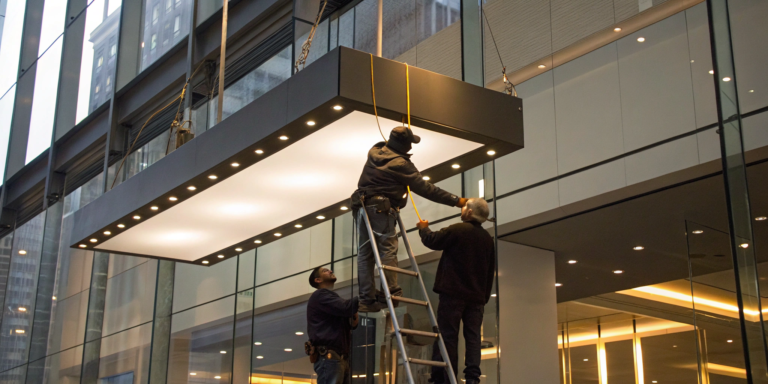
Key factors include mounting height, ensuring the sign is free from obstructions like equipment or overgrown vegetation, and making sure it’s large enough to be read from a safe distance. Professional sign installation also guarantees that the sign is securely mounted to withstand wind, weather, and the general wear and tear of a construction site. Proper placement ensures your safety messages are seen, understood, and followed.
Understanding Construction Sign Costs
Budgeting for a construction project involves many moving parts, and signage is a critical line item that directly impacts safety and compliance. While it’s tempting to look for the lowest price, understanding what goes into the cost of a construction sign helps you make a smarter investment in durability and effectiveness. The price isn’t just about the physical sign; it’s about the materials, design, compliance, and the expertise of the partner you choose. A well-made, properly installed sign prevents accidents and keeps your project on schedule, while a cheap one can fade, fail, and create liability. Let’s break down the factors that shape the cost so you can secure signage that truly protects your site and your team.
Typical Price Ranges by Sign Type
Construction sign costs can vary widely. Simple, pre-made signs like a small “Construction Entrance” notice might be very affordable. However, for general contractors, developers, and municipalities, the needs are often more complex. Large-format site signs, custom directional signs for multi-phase projects, or durable road work signs are priced based on their size, materials, and specific features. For example, a basic 4-by-8-foot job site sign will have a different price point than an engineered post-and-panel system designed to withstand high winds for a year-long project. Think of pricing as a spectrum where custom, durable solutions represent a long-term investment in safety and brand professionalism.
Key Factors That Influence Cost
Several key elements determine the final price of your construction signage. The material is a major factor—aluminum, wood, and specialty composites all have different costs and lifespans. Size and complexity also play a big role; a simple rectangular sign costs less than one with custom shapes or multiple layers. Most importantly, compliance with federal and local standards, such as the MUTCD traffic guidelines, is non-negotiable and can influence design and material choices. Customization, including adding your company logo, specific safety instructions, or reflective coatings for nighttime visibility, will also affect the overall investment.
How to Find a Quality Supplier
Finding the right supplier is about more than just getting a good price; it’s about finding a reliable partner. Look for a company with a proven track record in your industry, whether you’re in construction, healthcare, or education. A quality supplier will guide you through the entire process, from design and material selection to ensuring every sign meets local codes. They should be able to handle complex projects and provide professional sign installation services. Check their portfolio, ask about their project management process, and confirm they have the expertise to deliver durable, compliant signage that keeps your site safe and professional.
Our Custom Solutions at Carolina Signs & Wonders
At Carolina Signs & Wonders, we specialize in creating high-quality, durable signage for construction sites and development projects across North and South Carolina. We understand that every project is unique, which is why we don’t offer one-size-fits-all solutions. Instead, we work with you to design and fabricate custom signs that meet your exact specifications, brand standards, and safety requirements. From large-scale project identification signs in Asheville, NC, to comprehensive wayfinding packages for new developments in Greenville, SC, our team manages every detail to ensure your signage is effective, compliant, and built to last.
How to Spot a High-Quality, Safe Construction Sign
Not all construction signs are created equal. A well-made sign does more than just check a compliance box—it protects your team, the public, and your project’s reputation. When you’re sourcing signs, knowing what to look for can make all the difference between a flimsy, non-compliant placeholder and a durable, effective safety tool. A high-quality sign is an investment in safety and professionalism that reflects the standards of your entire operation. From the materials used to the reputation of the supplier, every detail matters. Here’s how to identify a construction sign that’s built to last and designed to keep everyone safe.
Durable Materials
A construction sign has a tough job. It needs to stand up to sun, wind, rain, and the general wear and tear of a busy job site. High-quality signs are made from materials designed for this environment, like heavy-duty aluminum, weather-resistant plastics, or treated plywood. The graphics should be just as resilient. Look for signs with high-resolution printing (at least 720dpi) and a protective over-laminate or UV-cured inks that prevent fading and peeling. A well-crafted sign should be expected to last for several years, even in harsh conditions. When you invest in durable custom signs, you ensure your message remains clear and professional for the entire duration of your project.
Maximum Reflectivity and Visibility
Visibility is non-negotiable, especially for signs near roadways or in low-light areas. The best signs use retroreflective sheeting, which bounces light from vehicle headlights directly back toward the driver, making the sign appear to glow. You’ll find different levels of this material, such as 3M’s Engineer Grade or the brighter Diamond Grade, which are designed to meet specific government and MUTCD standards. This feature is critical for warning drivers and pedestrians of changing conditions ahead. A sign that can’t be seen is a liability, so always confirm that your supplier uses the appropriate grade of reflective materials for your project’s specific needs.
Professional Installation and Maintenance
Even the best sign is ineffective if it’s hidden behind a tree, angled incorrectly, or too small to read from a distance. Proper placement is a key part of a sign’s function. A professional sign installation team ensures that signs are positioned at strategic points for maximum impact, using high-contrast colors and appropriate sizing to grab attention. They’ll also make sure the sign is securely mounted to withstand wind and other environmental factors. Once installed, signs should be checked periodically for damage or dirt that could obscure the message. A commitment to professional installation and upkeep shows that you prioritize safety from start to finish.
A Supplier’s Reputation and Reviews
The quality of your sign often comes down to the quality of your supplier. A reputable sign company will have a proven track record of producing durable, compliant, and effective signage. Before you commit, do a little homework. Look for a supplier with a strong portfolio of past projects and positive client testimonials. Top sign makers are known for their craftsmanship, attention to detail, and excellent service. Choosing an experienced partner like Carolina Signs & Wonders gives you confidence that you’re getting a product engineered for safety, compliance, and longevity, backed by a team that understands the demands of your industry.
Related Articles
- Different Types of Signs – Carolina Signs and Wonders
- Custom Road Signs in Charlotte, NC – Carolina Signs and Wonders
- Business Sign Ideas – Carolina Signs and Wonders
Frequently Asked Questions
What’s the real difference between a “Danger” sign and a “Warning” sign? That’s a great question, and the distinction is critical for on-site safety. According to OSHA, a “Danger” sign is used only for the most serious hazards, where an immediate, life-threatening risk exists. Think of an exposed high-voltage line. A “Warning” sign indicates a hazard that could cause serious injury or death, but the risk isn’t as immediate. Using the right one isn’t just about compliance; it’s about giving your team the correct visual cue about the level of risk they’re facing.
Can’t I just buy standard signs online? Why would I need a custom one? Standard signs are perfect for common, straightforward situations like marking a “Hard Hat Area.” However, most construction sites have unique challenges. You might need a sign that details a specific entry protocol, outlines a complex detour, or combines multiple safety warnings into one clear message. Custom signs are invaluable for addressing those site-specific needs, ensuring your instructions are perfectly clear and leaving no room for confusion.
How can I be sure my signs are compliant with all the local rules, especially if I work in different cities? Navigating signage regulations can be a major headache. While federal standards from OSHA and the MUTCD provide a baseline, every state and city has its own set of rules for things like sign placement, size, and permits. The most effective way to guarantee compliance is to work with a local sign partner who is an expert in that area’s specific codes. They stay on top of the local ordinances so you don’t have to.
How long should I expect a high-quality construction sign to last? The lifespan of a sign really comes down to the quality of its materials. A cheap sign might fade or fall apart after just one season. A high-quality sign made from durable materials like aluminum with a protective UV laminate, however, should easily last for the entire duration of a multi-year project. It’s an investment in reliability that saves you the time and money you’d spend replacing lesser-quality signs.
Is professional installation a big deal for temporary construction signs? It absolutely is. A sign can be perfectly designed, but it’s useless if it’s installed in the wrong place or falls over in the first strong wind. Professional installation ensures your signs are placed for maximum visibility and are securely mounted to withstand the elements. It’s a crucial final step that makes sure your safety message is seen and your investment is protected.